
Diamond Road
A quiet expedition along Brazil’s Caminho dos Diamantes
Brazil · Minas Gerais · Diamantina → Ouro Preto
Diamond Road 2026 First Edition
DIAMANTINA - OURO PRETO
21 November – 7 December 2026
Road Surface: 55% Unpaved
16 nights | 11 riding stages | 1 rest day
Distance: 450 KM
Climb: 10,900 m
Cost: 4,800 USD
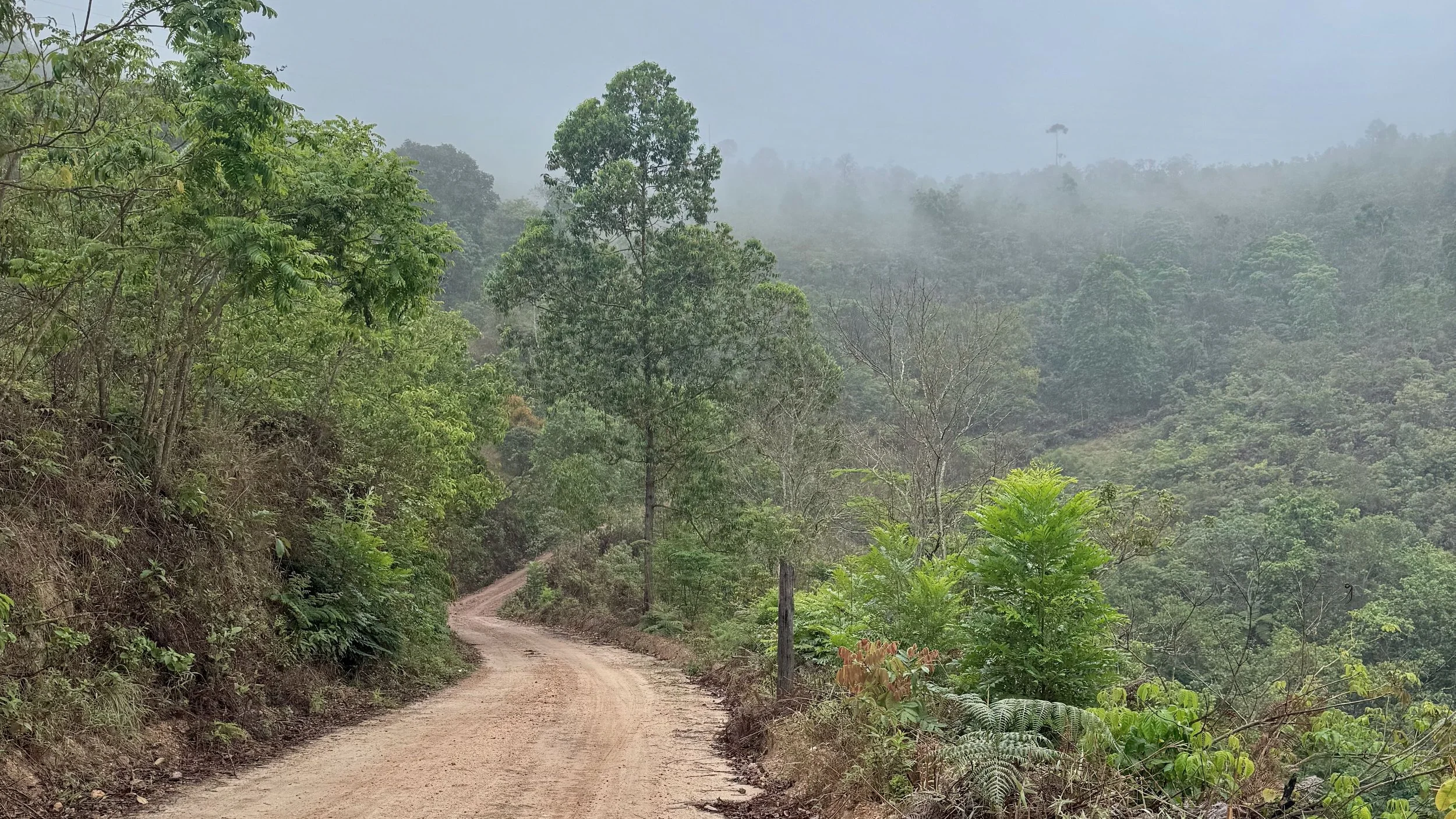
Diamond Road connects Diamantina and Ouro Preto along Brazil’s historic Estrada Real. Daily distances average roughly 40 km with about 1,000 meters of climbing. More than half the terrain is unpaved — gravel, dirt, and historic stone roads linking mountain landscapes and colonial towns.
-
The Diamond Road traces one of Brazil’s most significant historic corridors — the Caminho dos Diamantes — linking the highland towns of Minas Gerais across ridgelines, plateaus, and quiet rural valleys.
For centuries, gold and diamonds moved along these roads. Today, riders move at a different pace — close enough to hear the wind across quartzite ridges and the rhythm of small-town life.
Across eleven stages, the route passes through preserved colonial towns, highland ridges, and rural communities shaped by that history.
-
The route lies in southeastern Brazil, within the historic mining region of Minas Gerais. International travelers typically fly into Belo Horizonte (CNF), followed by a ground transfer to the start in Diamantina. The journey concludes in Ouro Preto, with return transfers arranged from there.
For many visitors, this region presents a different image of Brazil: highland plateaus, baroque town centers, quiet rural roads, and small communities shaped by centuries of extraction and trade.
-
Tour dates fall within the dry season in Minas Gerais. Expect mild daytime temperatures, cooler evenings at elevation, and generally stable riding conditions.
Daytime temperatures typically range from 18–26°C (64–79°F), depending on altitude. Dry-season timing helps ensure that unpaved sections remain firm and rideable, supporting steady progress across mixed surfaces.
-
The Diamond Road is a physically demanding mixed-surface route. Physical preparation is necessary.
Expect:
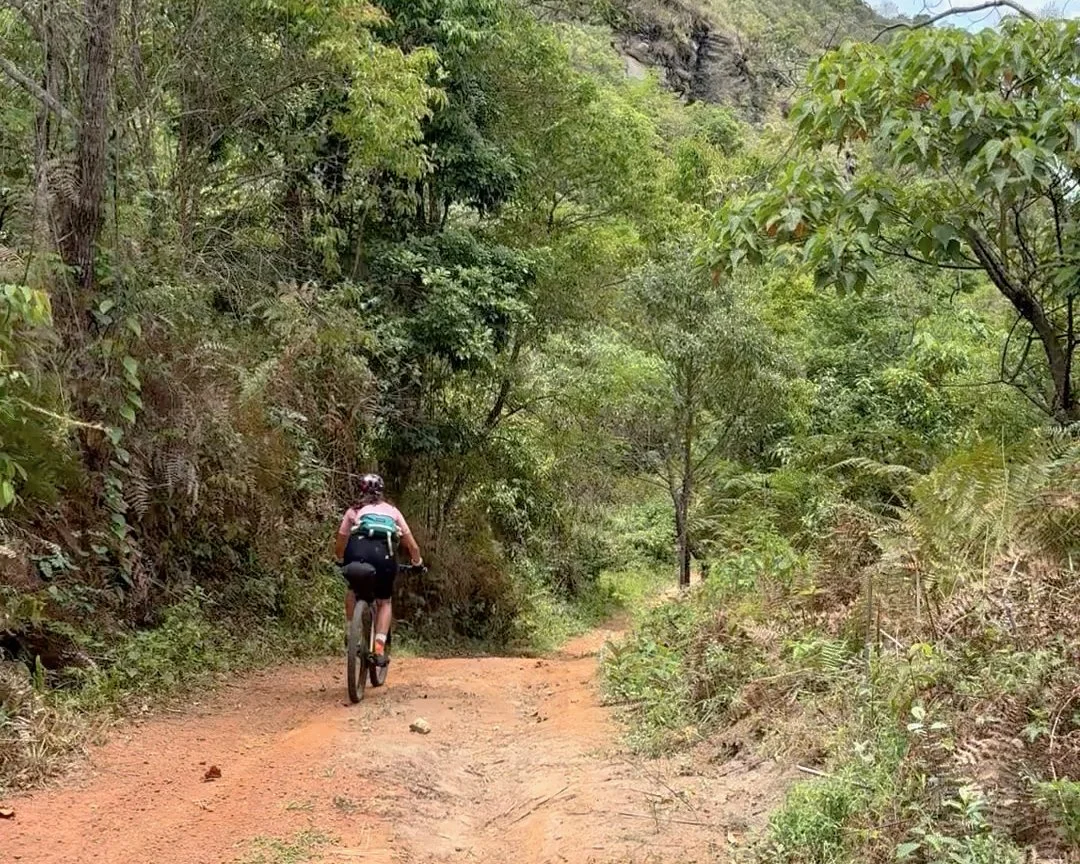
Predominantly dirt, gravel, and compacted earth
Frequent steep climbs, often over 10%, with short sections occasionally exceeding 20%
Sustained climbing with rolling terrain and little extended flat riding
Short paved connectors between communities, including occasional irregular cobblestones
This is an endurance-oriented route built around sustained climbing and varied surfaces.
-
The route includes sustained dirt climbing, steep gradients, and irregular cobblestones. A gravel bike or light hardtail mountain bike with appropriate low gearing is strongly recommended.
Recommended setup:
Tires approximately 40–50mm suited to mixed surfaces
Low climbing gear (sub-1:1 ratio recommended, e.g., a 34T chainring paired with a 42T or larger cassette)
Tubeless setup preferred
Traditional road bikes with narrow tires are not suitable for this route.
E-bikes are not supported on this departure.Riders should be prepared to carry basic repair tools, hydration, and personal nutrition during each stage.
A certified cycling helmet is mandatory at all times while riding. Front and rear lights are recommended for visibility.
-
Each day begins in a town shaped by history and arrives in another, connected by ridgelines, valleys, and open plateaus. The route feels continuous — a single line across landscape and time.
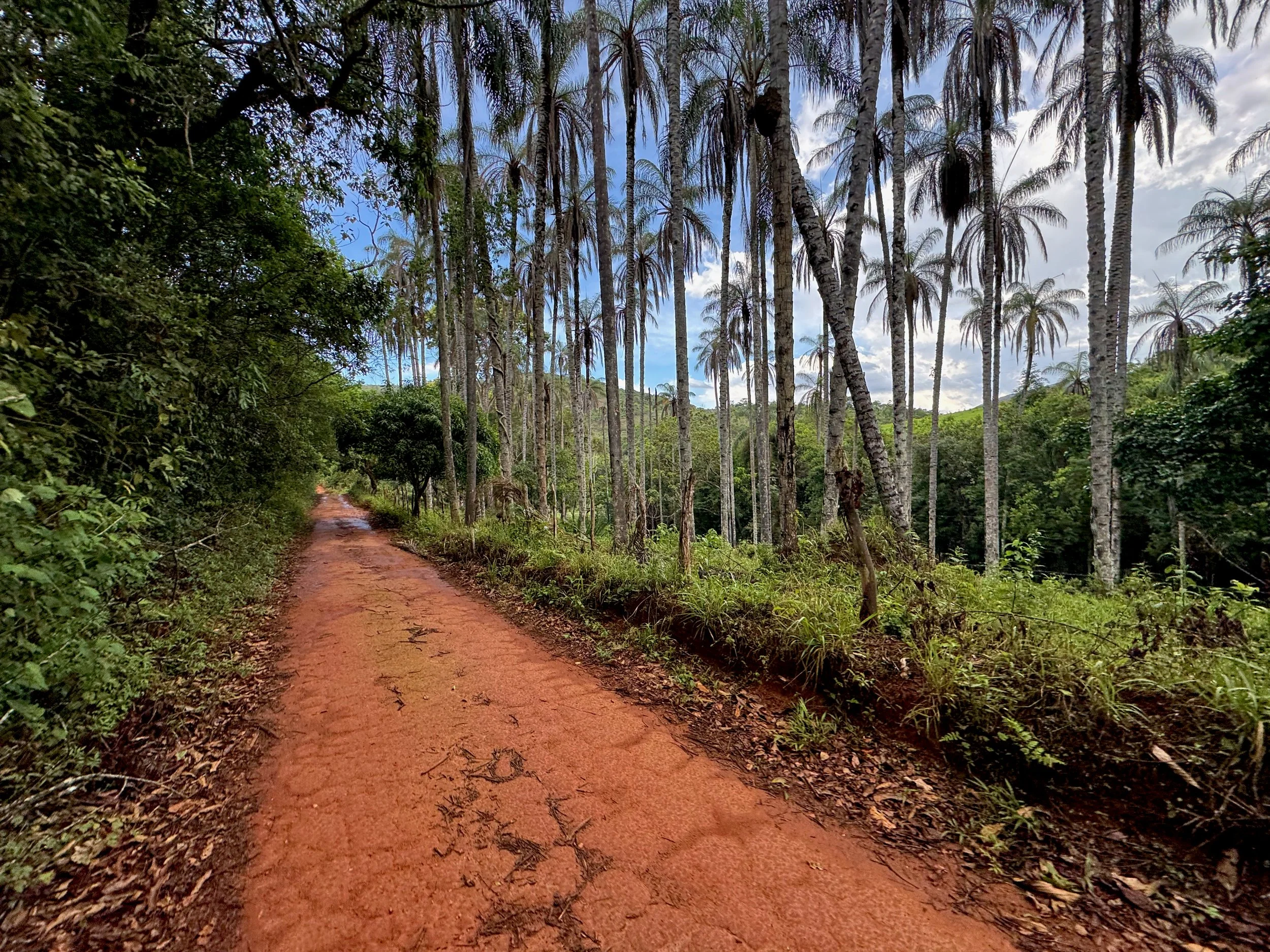
Surfaces shift naturally — red dirt roads, irregular cobblestones, stretches of quiet pavement — creating variation within a steady rhythm. Elevation changes are part of the terrain rather than obstacles to overcome. Riders settle into a cadence that balances effort and attention.
Some communities retain the architectural imprint of gold and diamond extraction. Others reflect contemporary mining, agriculture, or a gradual turn toward eco-tourism. Beneath both lies the same mineral landscape that shaped settlement patterns and trade.
It rewards presence. It rewards attention. It rewards those who prefer immersion over convenience.
-
Each night is spent in locally owned hotels and pousadas that reflect the scale and character of the towns along the route. Rooms are simple and comfortable, primarily single-occupancy, with shared rooms available for couples.
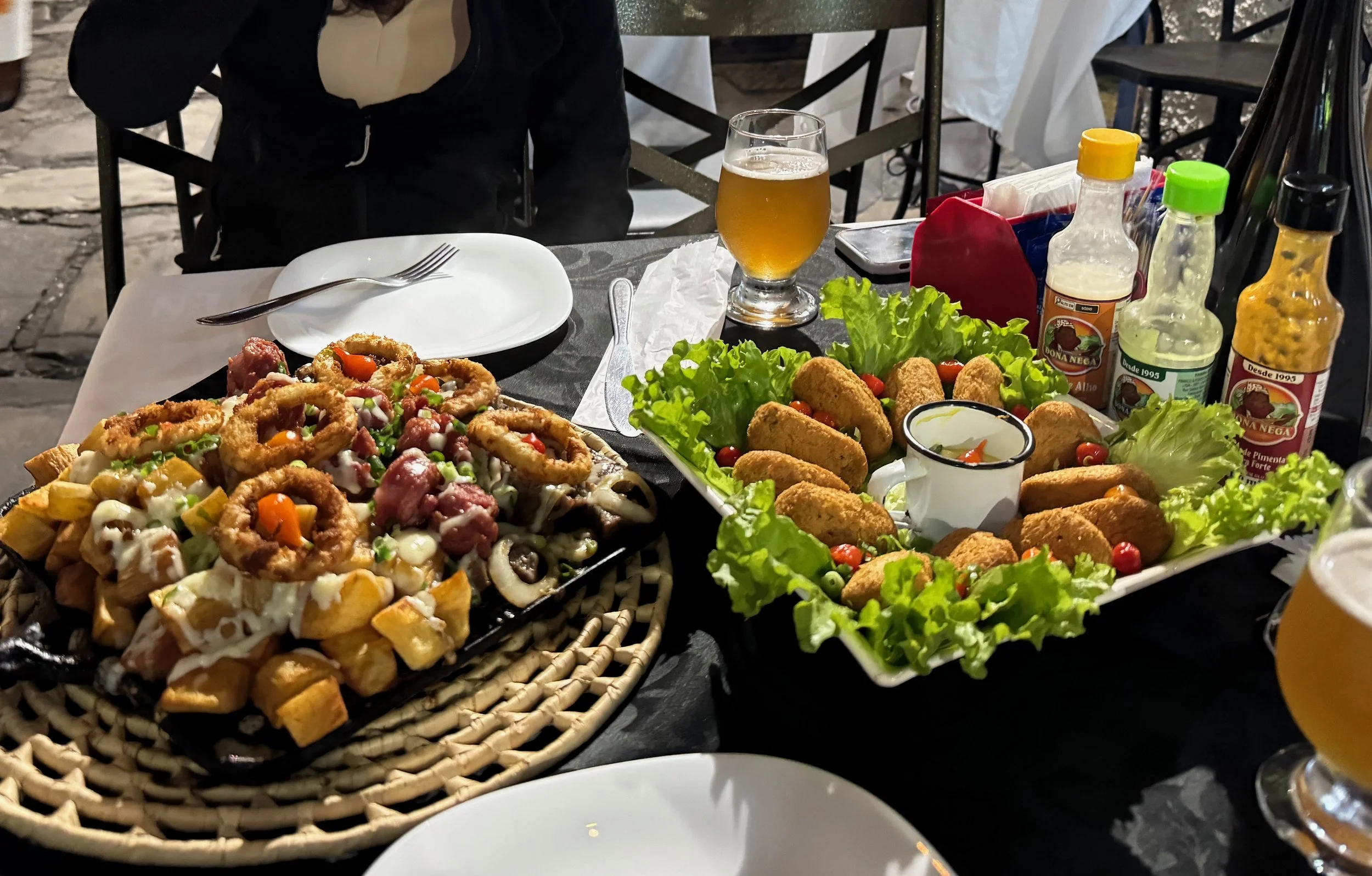
Meals are taken in local restaurants and feature traditional cuisine from Minas Gerais, an integral part of the experience of traveling through the region.
Because the expedition travels through smaller towns and rural areas, restaurants and pousadas often have limited menu flexibility. For this reason, specific dietary requirements cannot be accommodated.
-
Maximum of seven riders.
Two vehicles support the tour: one dedicated to luggage transport between towns and one designated for rider support and logistics.
Meeting points and timing are communicated in advance each day. Riders who choose to stop riding during a stage may transfer to the support vehicle at designated locations. While a support vehicle is always accessible at designated meeting points, the route is designed for independent movement between these stations and riders should be comfortable completing stages independently between support points.
Mechanical assistance is available within practical field limits.
In the event of a medical emergency or safety concern, appropriate local services will be contacted and evacuation procedures initiated as required.
-
Each day is ridden at a steady, sustainable pace. The route includes sustained climbing and long stretches of dirt road. The effort is part of the character of the ride, but the goal is simply to move through the landscape together and complete the journey — not to chase speed or performance.
There is also time to pause along the way: to stop in small towns, walk to waterfalls, and enjoy the places we pass through rather than focusing only on the distance ahead.
This ride tends to suit people who:
• Enjoy the landscapes and history they are traveling through
• Pay attention to the places they pass rather than focusing only on numbers
Riders should be comfortable with sustained climbing and with occasional stretches of riding independently between towns.
The rhythm of the ride favors curiosity and cooperation over speed.
The group is limited to seven riders due to accommodation constraints in several of the smaller towns along the route.
-
Accommodation throughout the tour, including:
Arrival night in Belo Horizonte - Confins
Final night in Ouro Preto
(single-occupancy standard; couples may share upon request)
Daily breakfast (from the first morning in Belo Horizonte - Confins through the final morning)
Daily dinner (from the first evening in Diamantina through the final evening)
Group transfer from Belo Horizonte - Confins to Diamantina
Luggage transport between towns during the ride
Coordinated daily logistics and route briefings
Mechanical assistance within practical field limits
GPX route files
What’s Not Included
Travel to Belo Horizonte - Confins and onward travel from Ouro Preto
Airport transfers (guidance on local transport options provided)
Lunches and daytime snacks
Alcoholic beverages
Personal bike maintenance beyond field assistance
Travel and medical insurance
-
Route, accommodations, and support structure are planned in advance. Adjustments may be required due to weather, road conditions, local events, or operational considerations.
Modifications will be made with the intention of maintaining safety, continuity, and the overall character of the journey.
-
21 November – 7 December 2026
16-day expedition • 11 riding stages • 1 scheduled rest dayBelo Horizonte → Ouro Preto
Expedition Timeline
21 Nov — Belo Horizonte (CNF)
Arrival day
22 Nov — Diamantina
Group transfer, bike assembly & expedition briefing
24 Nov – 5 Dec — Caminho dos Diamantes
11 riding stages & 1 scheduled rest day
16 Dec — Ouro Preto
Final evening in Ouro Preto
7 Dec — Belo Horizonte (CNF)
Independent departures
Price: USD $4,800 per rider
Single-occupancy lodging is standard. A shared-room discount is available for couples.
The price reflects the small group size, coordinated logistics across sixteen nights, single-room accommodation, and dedicated on-route support.
A deposit is required to confirm participation, with the remaining balance due 90 days before departure.
Arrival: 21 November in Belo Horizonte – Confins International Airport (CNF)
Ride start: 23 November Diamantina
Final night: 6 December in Ouro Preto
Departure: Riders depart independently from Belo Horizonte (CNF) on 7 December.
Because the expedition is intentionally limited to a small group, riders are asked to register interest before confirming participation.
Cancellation Policy
• 50% refund for cancellations made more than 60 days prior to departure
• 25% refund for cancellations made 30–60 days prior
• No refund within 30 days of departureAdditional terms and conditions apply.
-
1. What level of fitness is required?
Riders should be comfortable completing 40–50 km per day with sustained climbing on mixed surfaces. Daily elevation gain averages around 1,000 meters. Steady pacing and preparation are essential.
2. What type of bike is recommended?
A gravel bike or hardtail mountain bike with low gearing is strongly recommended. Clearance for wider tires is important. Traditional road bikes are not suitable. E-bikes are not supported.
3. What happens if I cannot complete a stage?
A luggage vehicle and a rider-support vehicle accompany the group. Transport assistance is available if required due to fatigue, mechanical issues, or other circumstances.
4. Is the departure guaranteed?
The 2026 Pilot Edition operates with a minimum of four riders and a maximum of seven. If the minimum is not reached, all payments are refunded in full.
5. What insurance is required?
Comprehensive travel insurance is mandatory. Coverage must include medical care and emergency evacuation.
6. Are transfers included?
Accommodation is provided on the first night in Belo Horizonte - Confins and the final night in Ouro Preto. Group transfer to Diamantina is included. Riders depart independently from Ouro Preto on 14 December.
7. What is the luggage allowance?
Each rider should bring one soft-sided duffel bag (90–100 L) with a recommended weight of no more than 18 kg.
During the expedition we operate with two bags per rider:
Hotel Bag – your main duffel bag is transported directly to the next hotel and is not accessible during the ride.
Day Bag – a smaller bag kept in the support vehicle for items you may need during the ride. The support vehicle typically reconnects with riders multiple times throughout the day, allowing access to additional layers, rain gear, nutrition, or personal items as conditions change.
Soft duffel bags are preferred because they are easier to load and move between smaller hotels and pousadas along the route. Riders should be able to handle their own bag during check-ins and short transfers. Hard suitcases and oversized luggage are discouraged.
8. How are lunches handled during the expedition?
Lunches are not included in the expedition price. Most riding days pass through small towns or local restaurants where riders can stop for lunch along the route and pay individually.
The expedition team will provide recommended lunch locations and resupply opportunities each day. On some longer or more remote stages, riders should expect to carry snacks or simple food during the ride.
9. Is there a deposit and final payment schedule?
Yes. A non-refundable deposit is required to confirm a place on the expedition, with the remaining balance due 90 days before departure.
Full payment, cancellation, and refund details are provided in the Terms & Conditions during registration.
-
Riders interested in the 2026 Pilot departure may submit a short inquiry.
The form includes:
• Basic contact information
• A brief summary of recent riding experience and what draws you to this routeParticipation is confirmed upon mutual agreement and receipt of 10% deposit. The remaining balance is due 90 days prior to departure.
If the Diamond Road speaks to you, we invite you to get in touch.
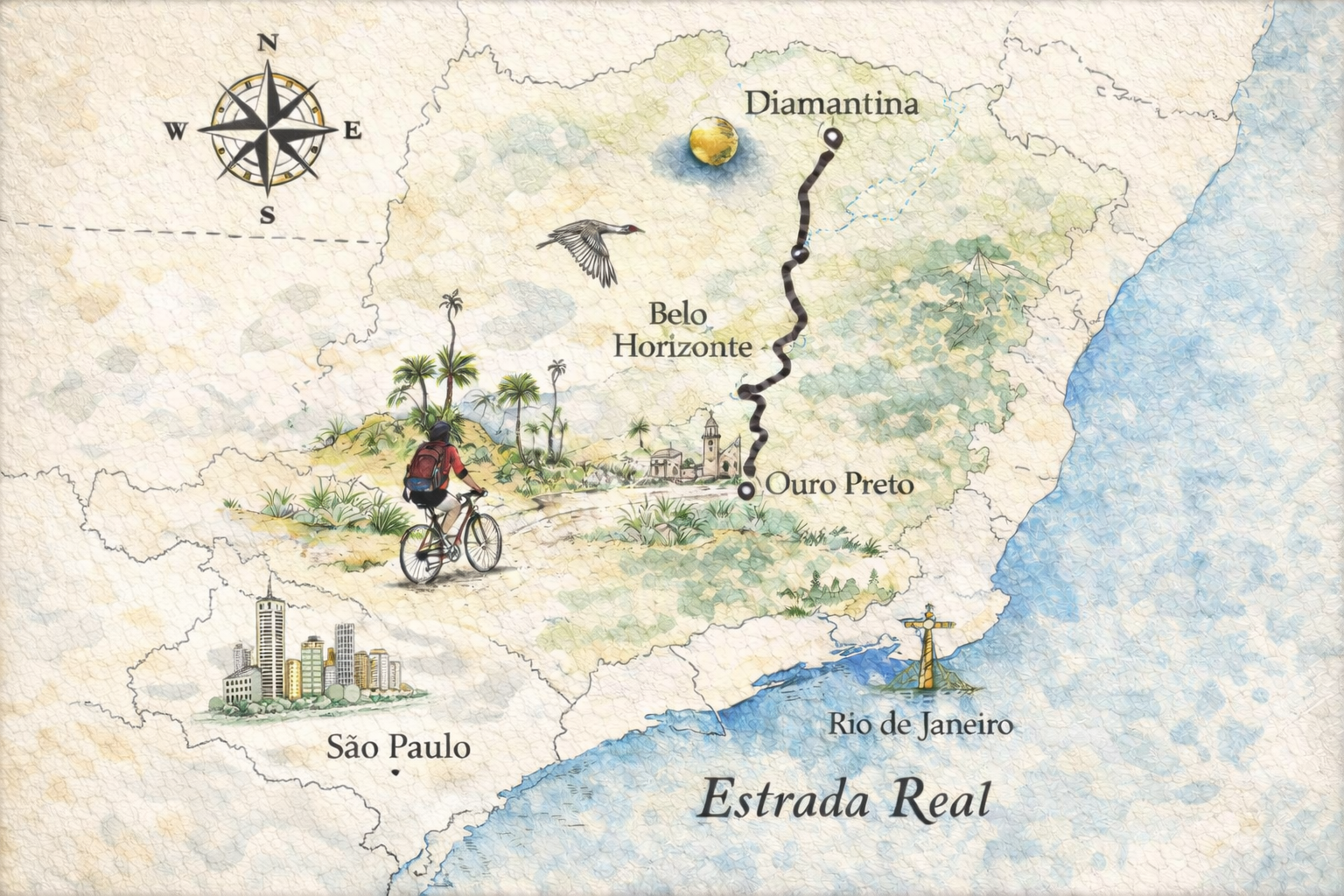
The Diamond Road connects Diamantina and Ouro Preto along Brazil’s historic Estrada Real
Why This Ride
The Diamond Road grew out of rides along Brazil’s historic Estrada Real. After first riding the Caminho Velho, curiosity grew about the routes crossing the highlands of Minas Gerais.
Those journeys revealed a remarkable route linking Diamantina and Ouro Preto — quiet gravel roads, preserved colonial towns, and mountain terrain shaped by centuries of mining history. The expedition simply shares that discovery with a small group of riders each year.
Your Host
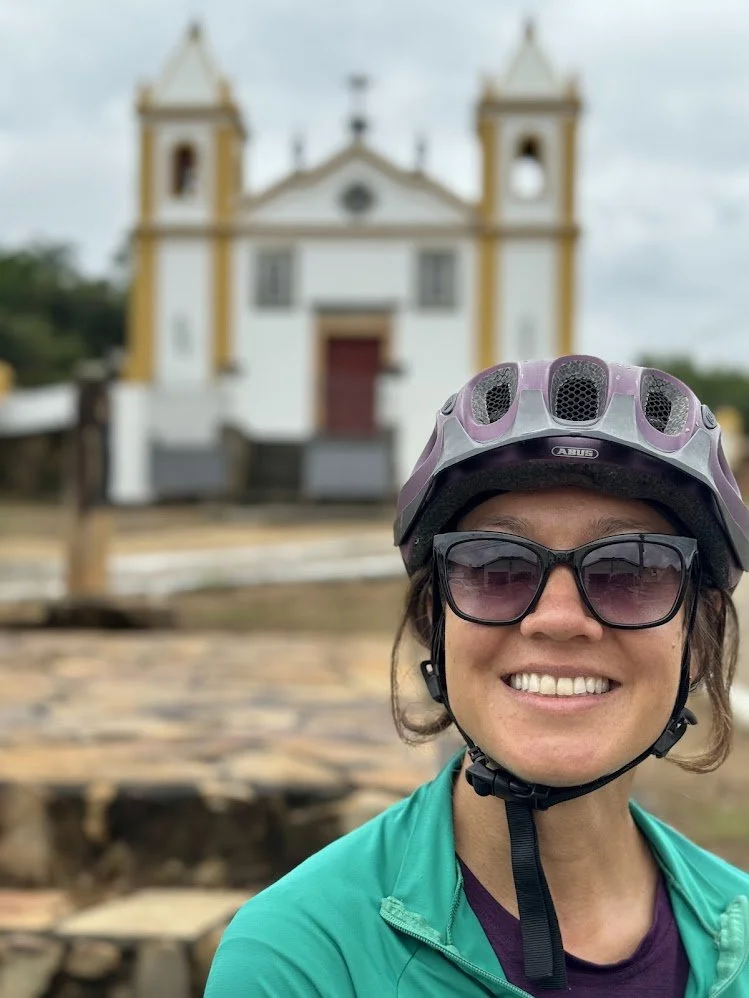
Carolina is a Brazilian cyclist who has spent years exploring the historic backroads of Minas Gerais by bicycle. She helps guide the Diamond Road expedition through the landscapes, towns, and culture of the Caminho dos Diamantes.
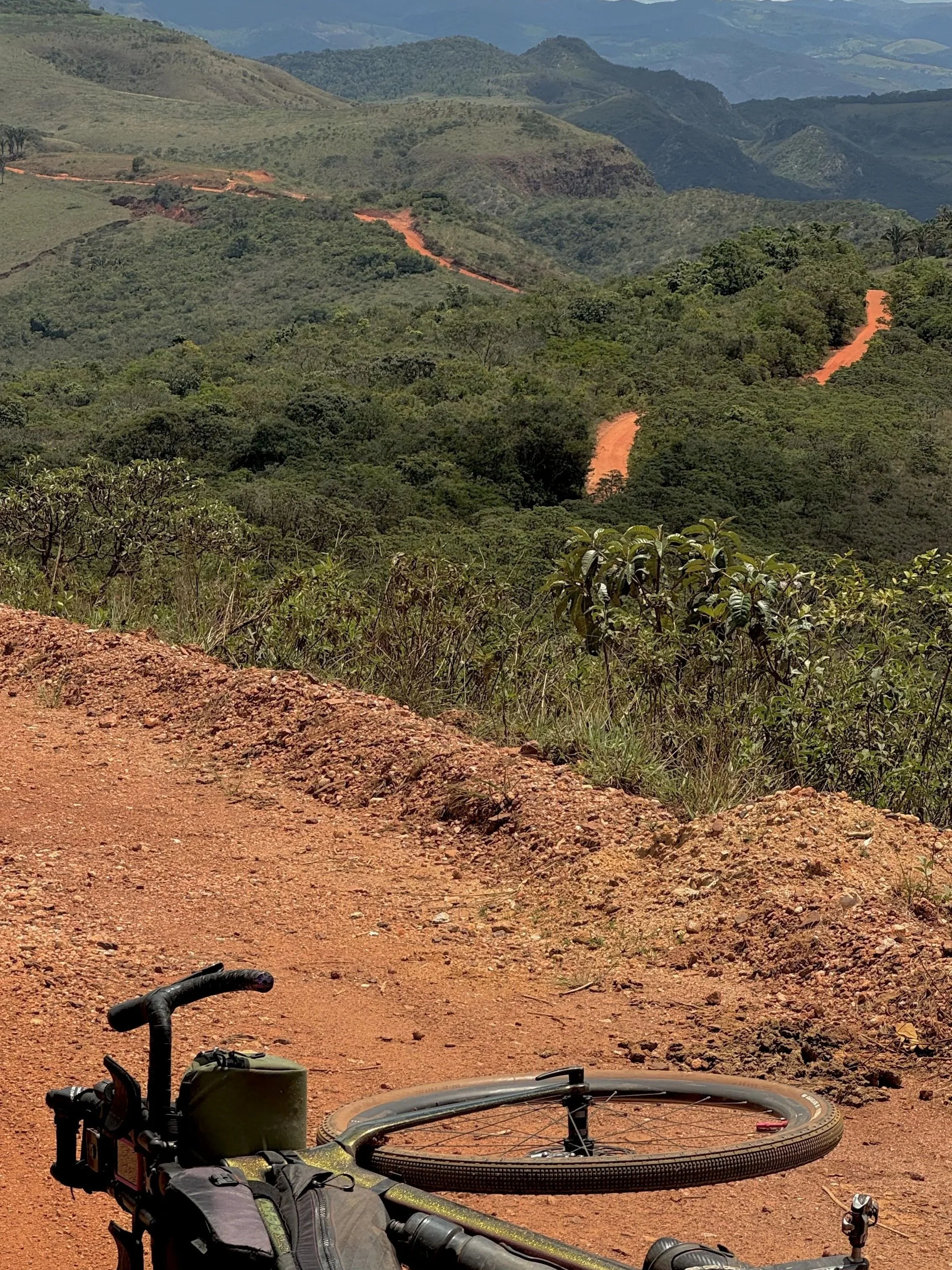
Red dirt, long climbs, and the road unwinding into Minas Gerais.
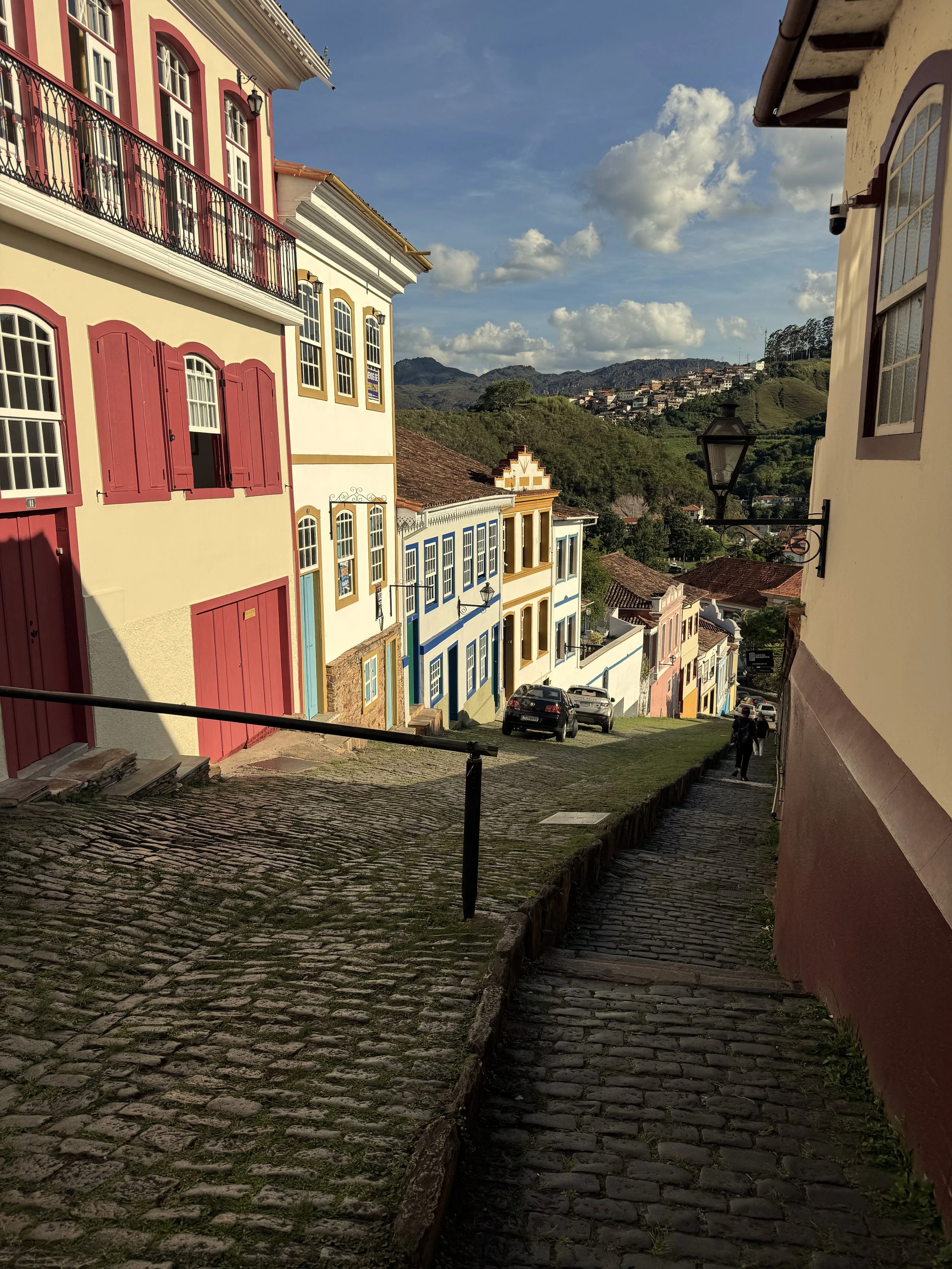
Cobbled streets and colonial façades in Ouro Preto, Minas Gerais.
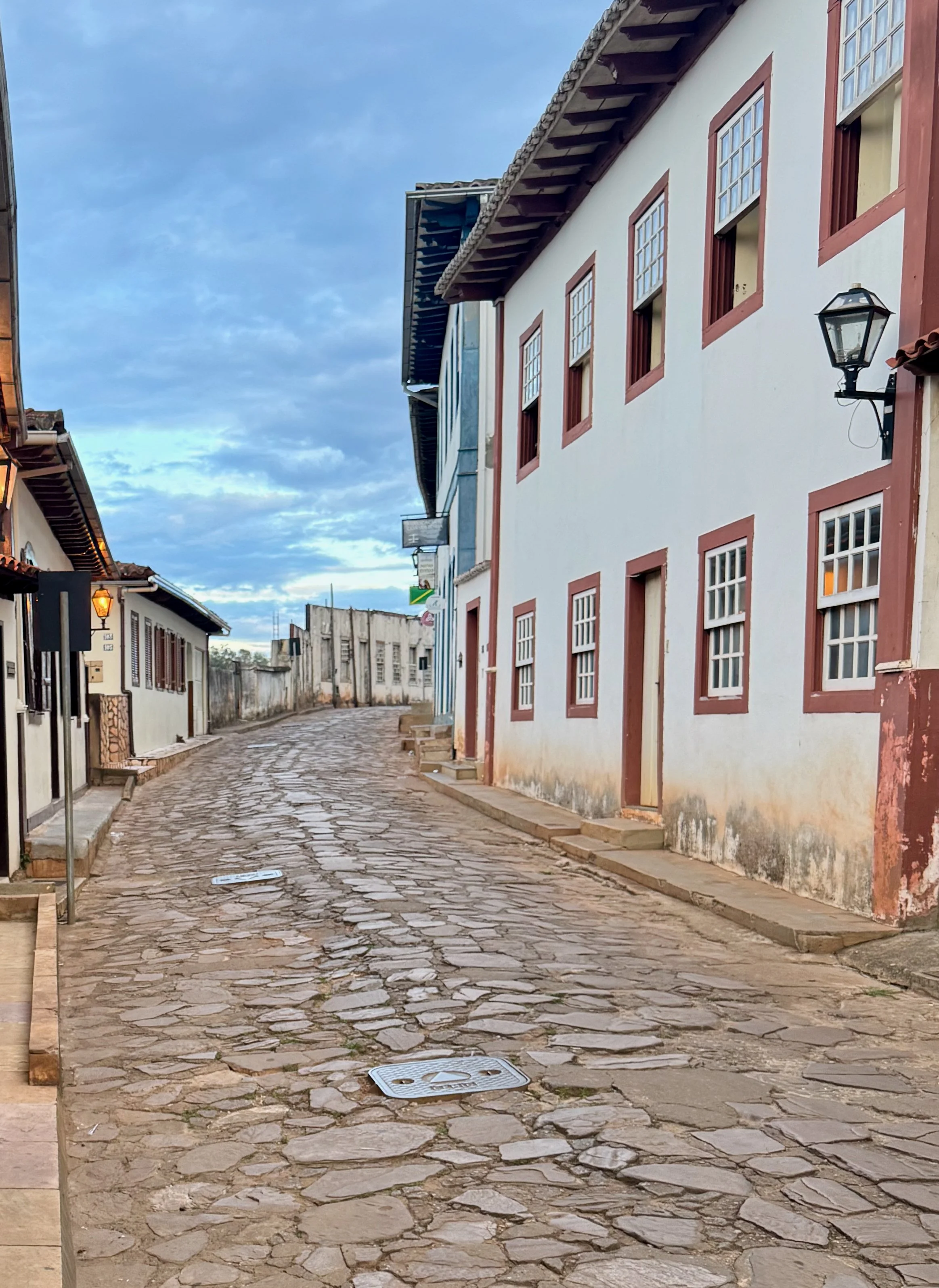
Cobblestone street in Serro, Minas Gerais — home of the renowned Queijo do Serro.
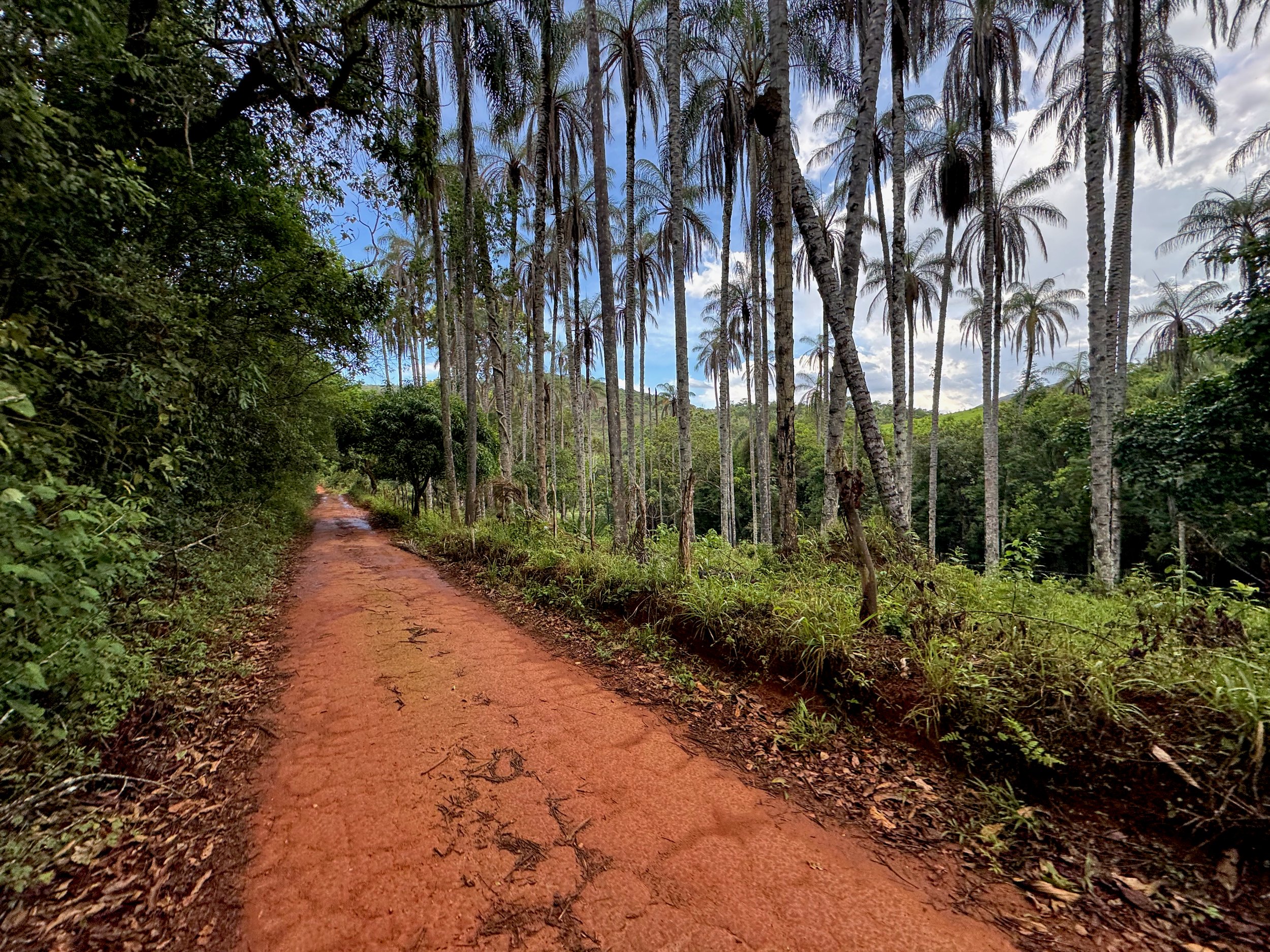
Blue skies after the rain on the red road near Morro do Pilar.
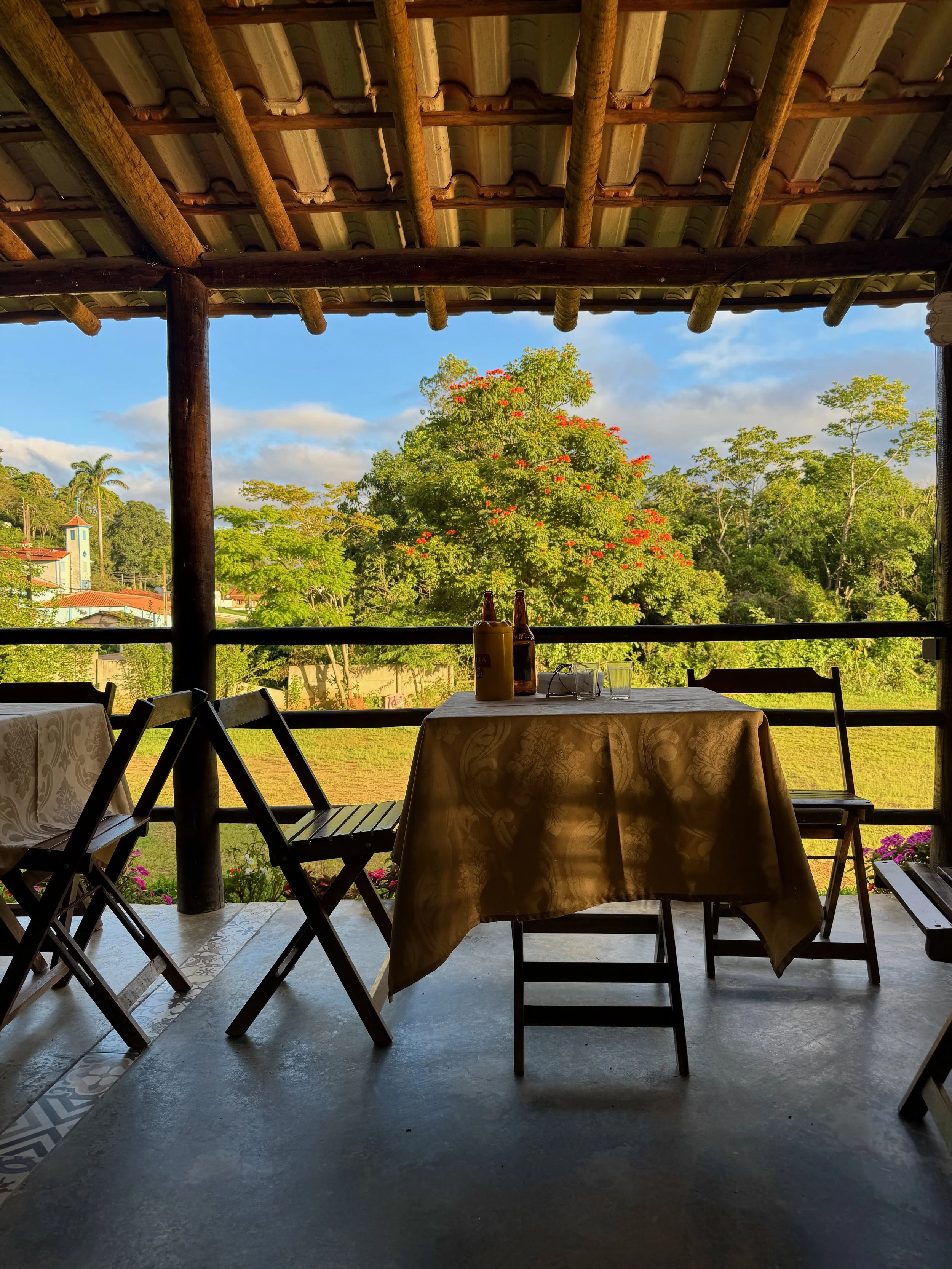
Pousada do Moinho, Tabuleiro — a comfortable base after a short ride, with waterfalls nearby to enjoy.
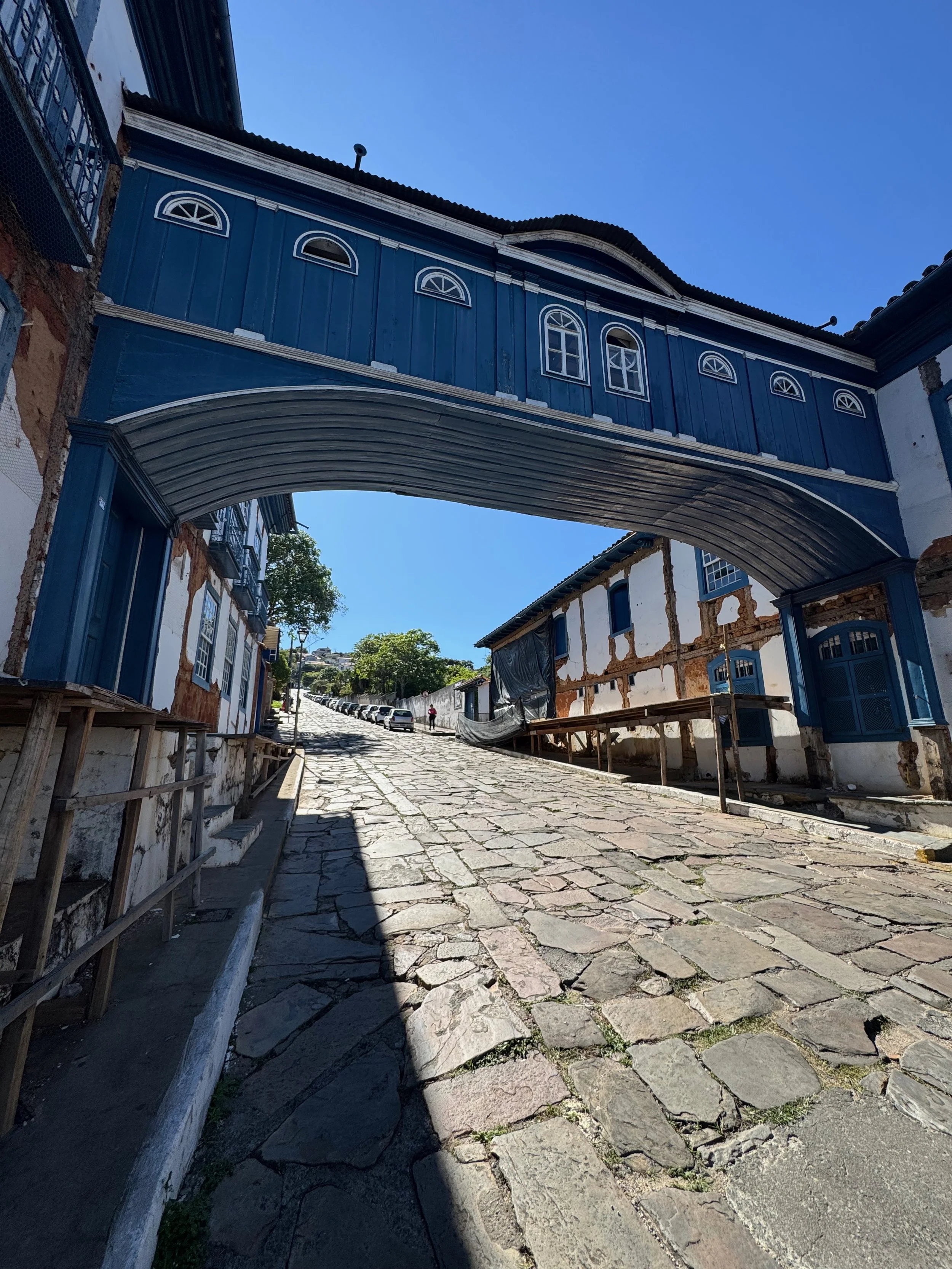
Passadiço da Casa da Glória, Diamantina — a historic landmark connecting the city’s colonial past.

Serro, Minas Gerais — climbing toward the Igreja de Santa Rita above town.
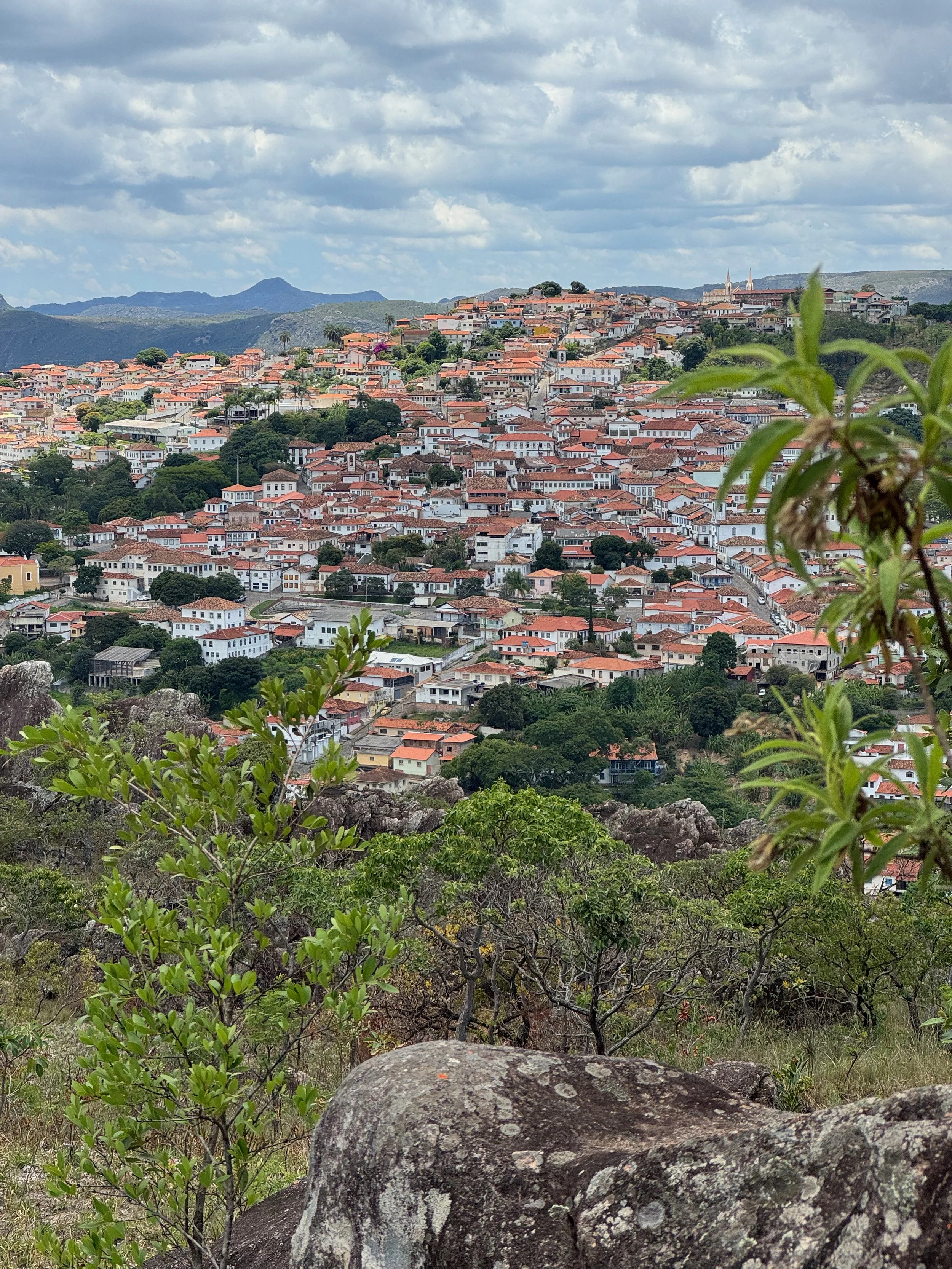
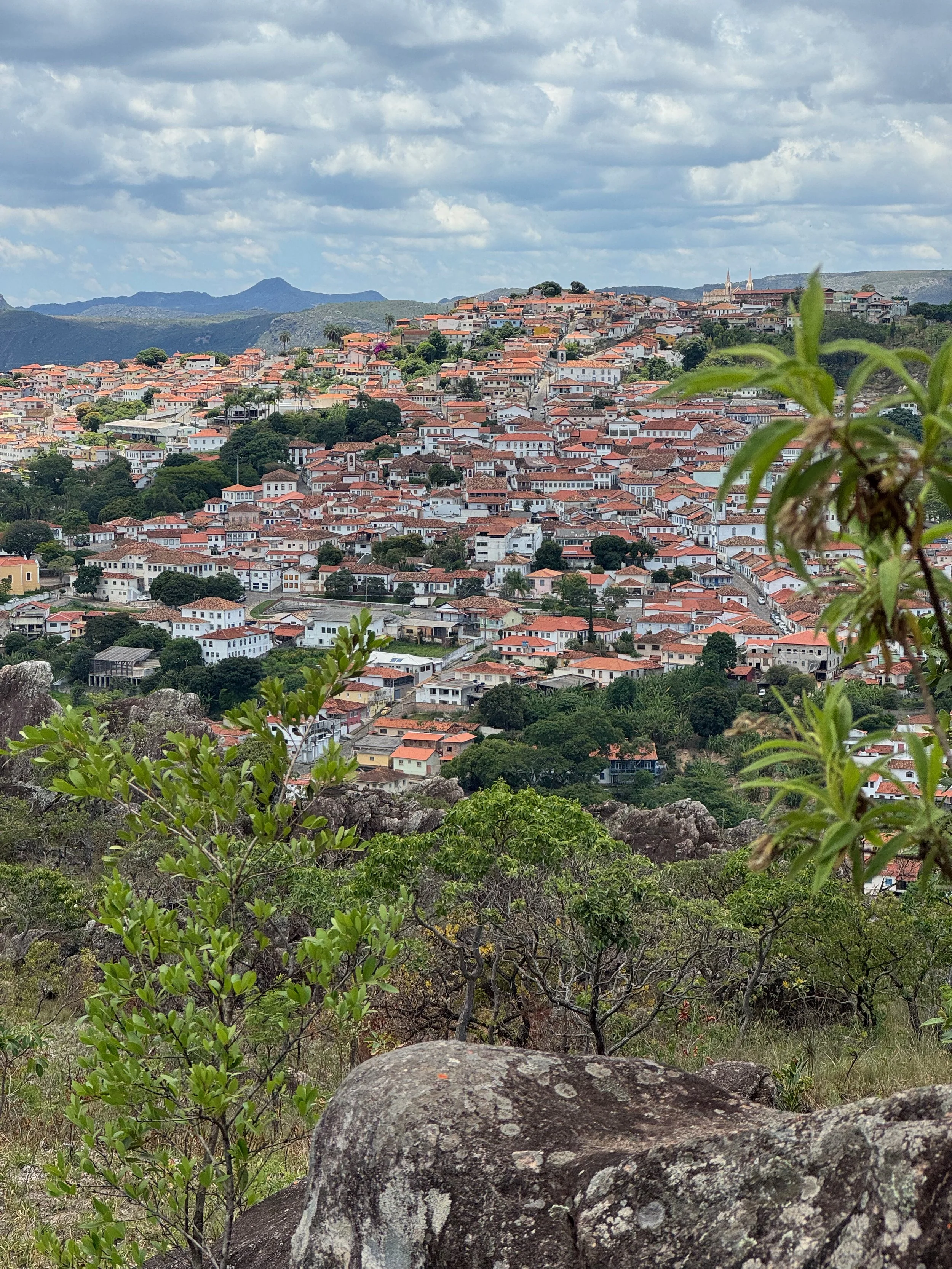
Diamantina — former diamond capital of colonial Brazil, set high in the Espinhaço range.
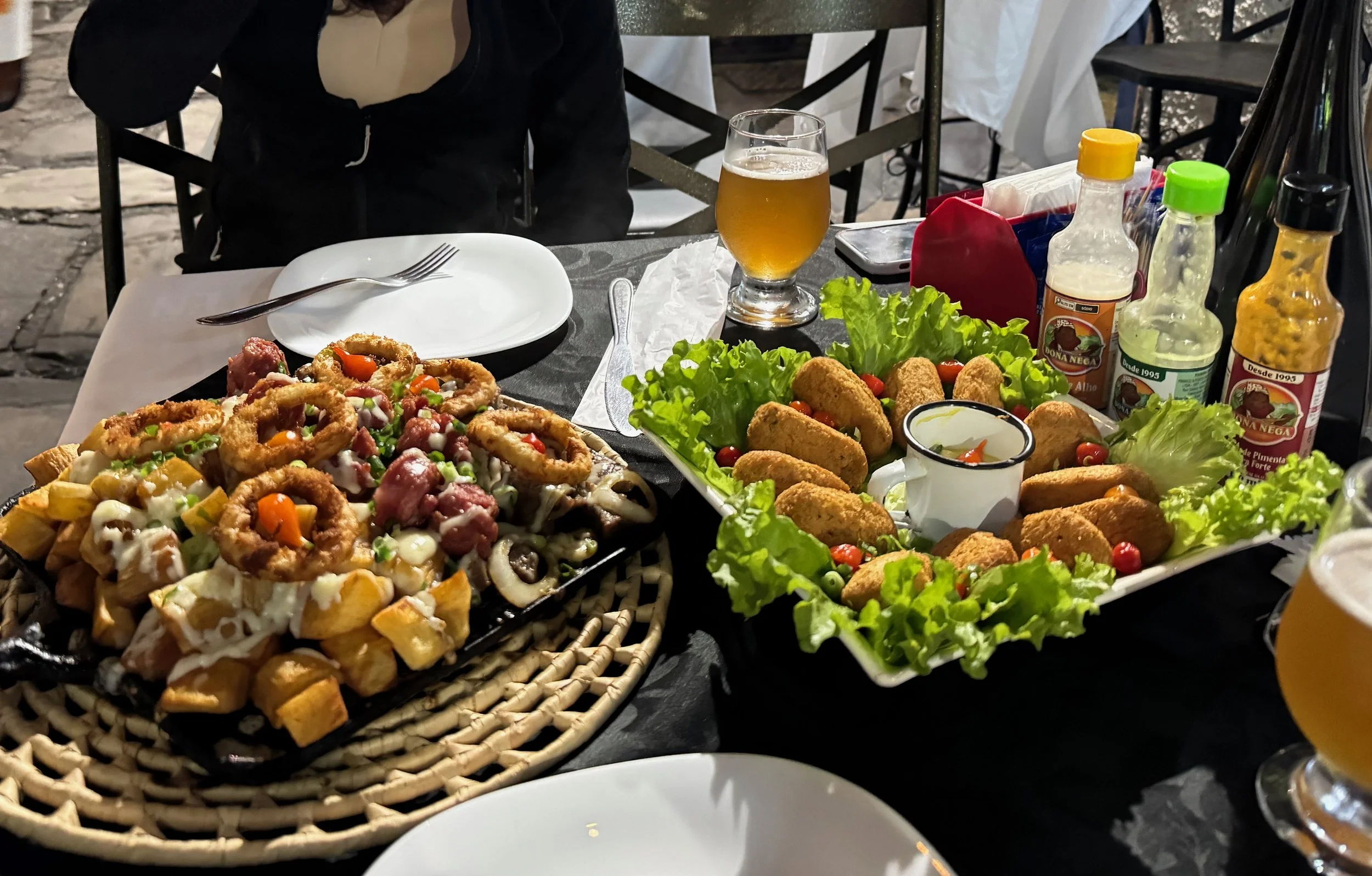
Minas Gerais on a plate — queijo, linguiça, mandioca, and a cold beer.
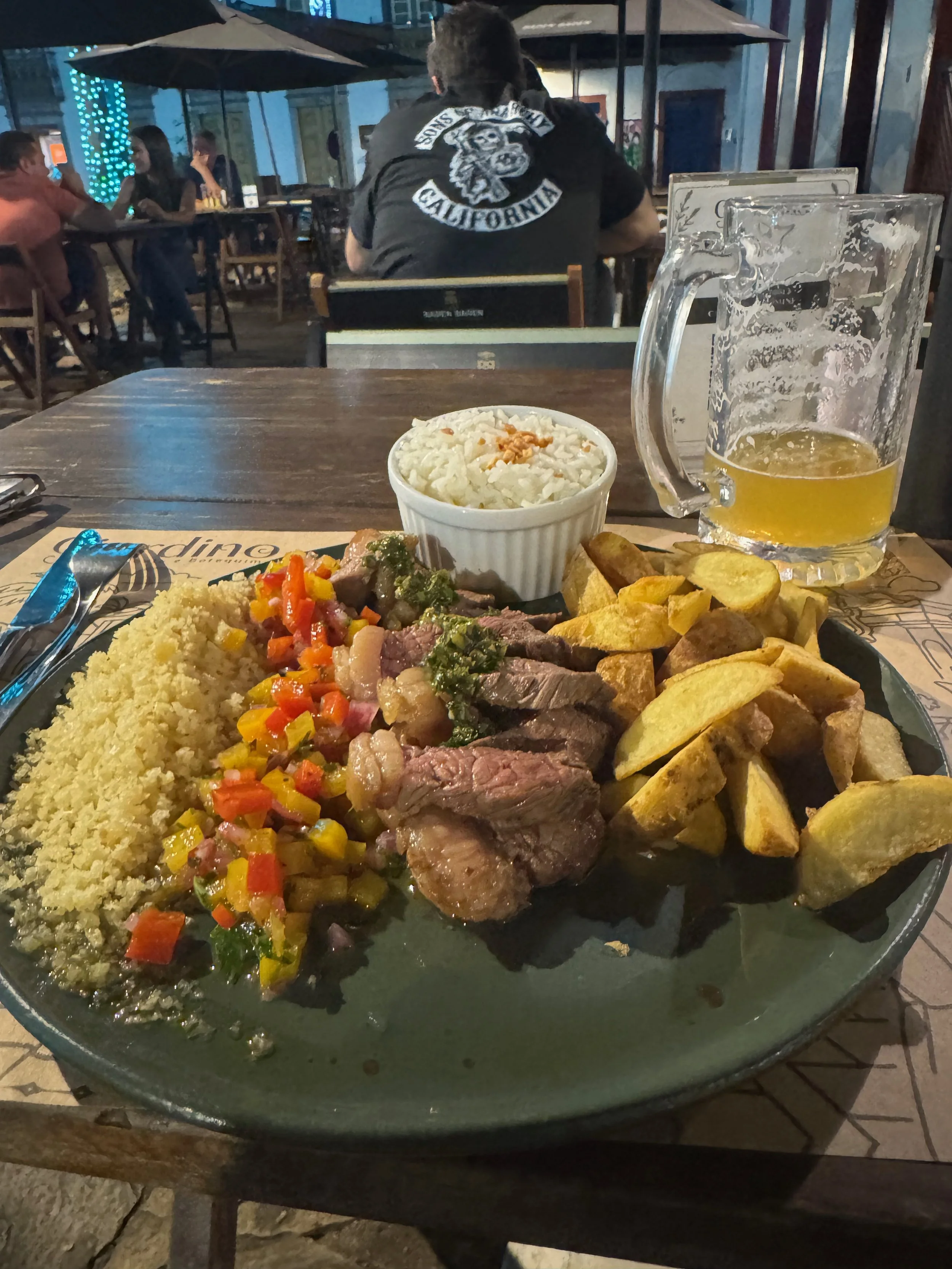
Simple, honest Brazilian fare and a cold beer after the ride.
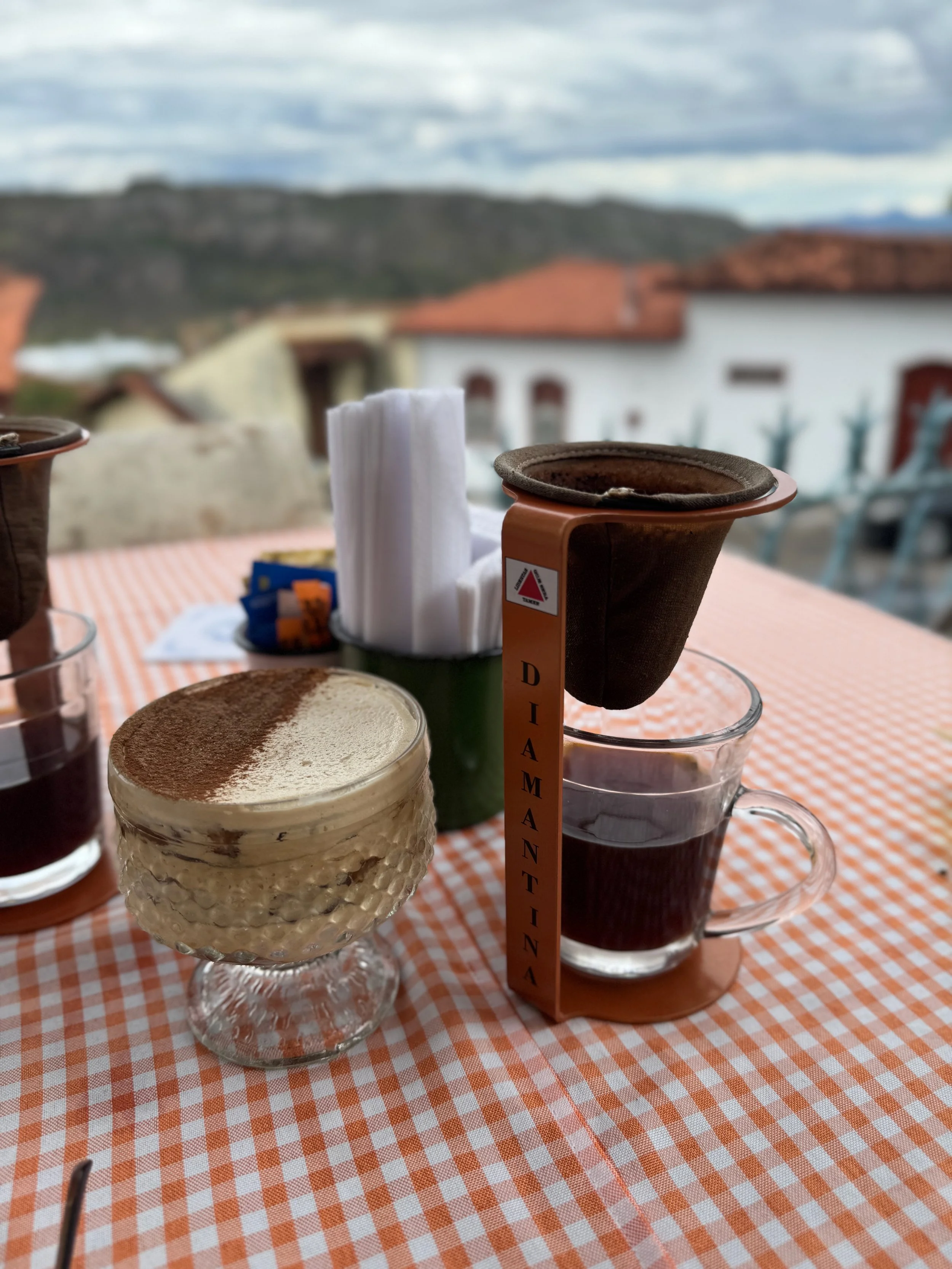
Diamantina — slow drip coffee and a quiet morning above the red roofs.
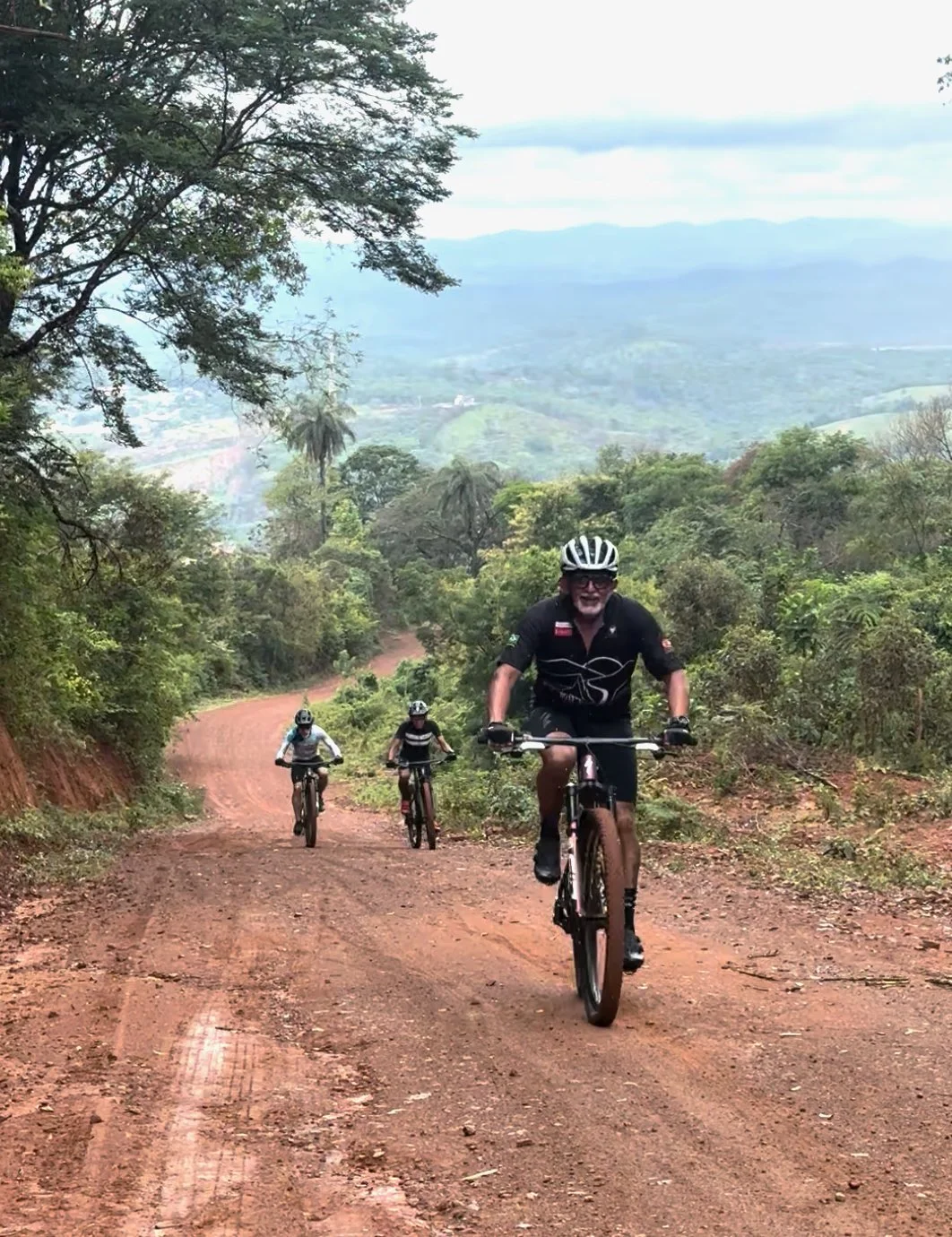
Grinding up the red dirt
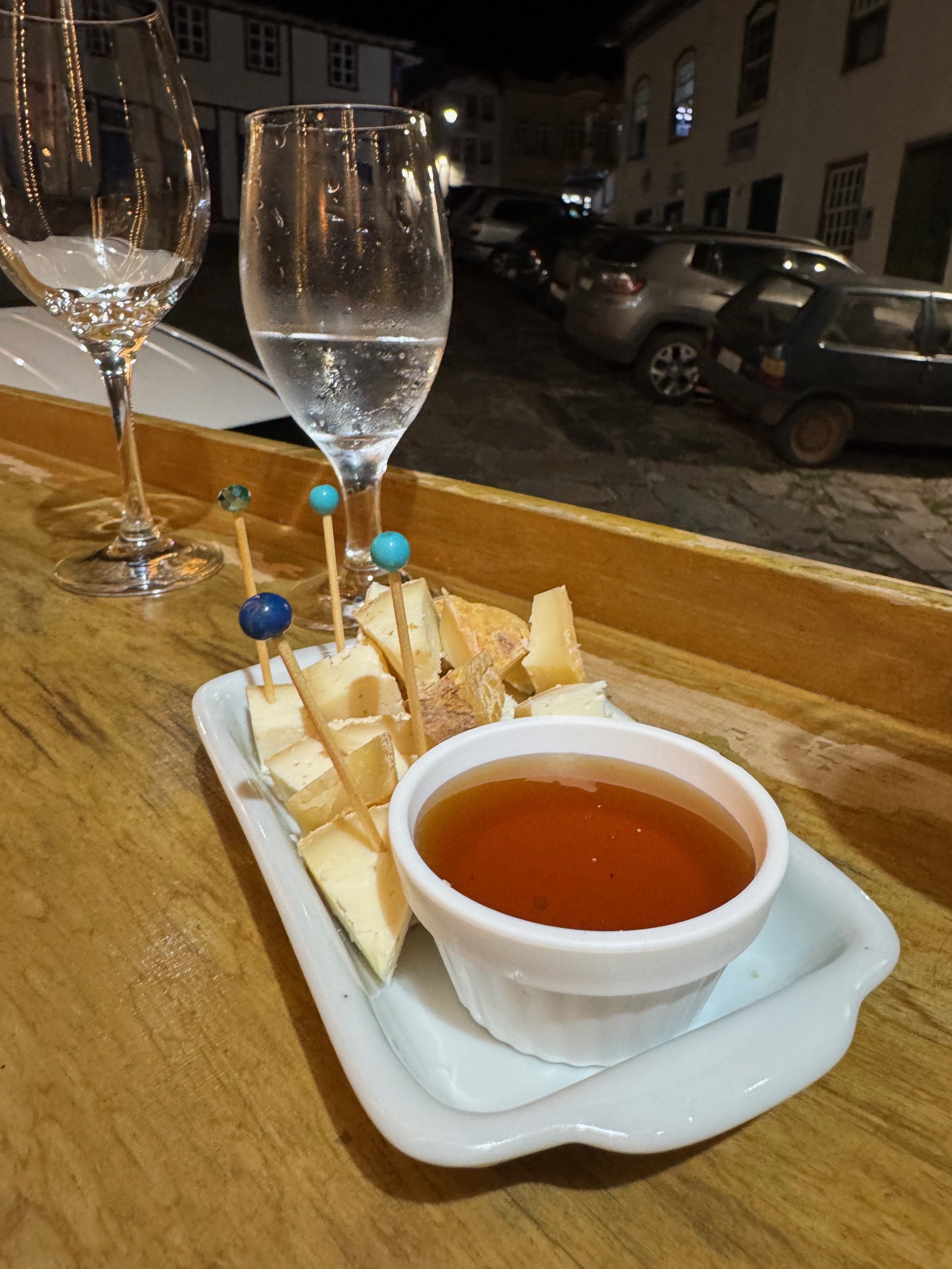
Local cheese and honey

Minas Gerias artisanal beer